

Excited to share my second guest post as Robin takes us through five nights on the West Coast Trail. Certainly a bucket list trip for both him and Jack that they will remember for a long time to come. If you are planning a trip, be sure and check out this post on how to prepare.
West Coast Trail & Nitinat Circuit: A Wild Backcountry Adventure
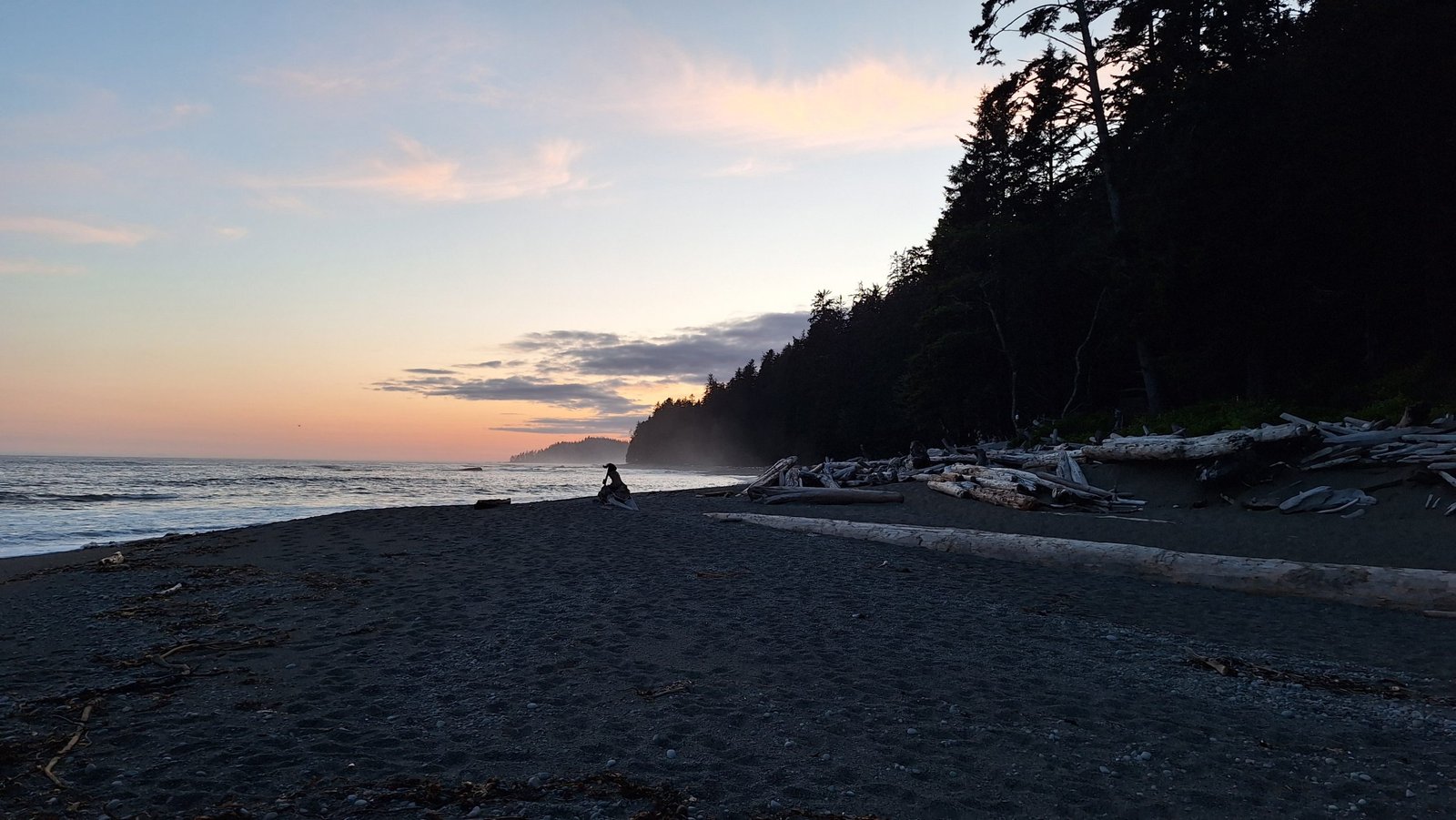
There are few places on Earth like the West Coast Trail. Rugged coastline, rainforest trails, cable cars, ladders, tides, and raw Pacific energy—all part of the experience. I recently had the chance to chaperone a high school outdoor education trip that combined this iconic trail with the lesser-known but equally rewarding Nitinat Canoe and Portage Route. It’s the kind of trip that pushes limits and builds grit—with just enough beauty and backcountry magic to keep everyone moving forward.
Whether you’re planning your own West Coast Trail hike or looking to explore Vancouver Island’s remote inland lakes, this post is packed with route insights, gear recommendations, and real-world tips on backcountry meal planning.
A Trip of Two Halves: Hiking & Canoeing
This trip is uniquely structured. One group starts hiking southbound from Pachena Bay, while the other group launches canoes at Nitinat Village. Midway, both groups meet at Tsusiat Falls, swap modes of travel, and complete the opposite leg. I hiked first, then paddled—here’s how it all went down.
West Coast Trail: North to Tsusiat Falls
Day 1 – Pachena Bay to Michigan Creek (12 km)
We kicked things off at Pachena Bay, the northern trailhead of the West Coast Trail. Even if you’re not doing the full trail, this bay is worth visiting—complete with a beach campsite and the first taste of those infamous WCT ladders. The hike to Michigan Creek winds through lush forest, with optional beach walking at low tide. A solid first day to break in the legs.


Day 2 – Michigan Creek to Tsocowis Creek (5 km)
A shorter day, but one that requires tide awareness—certain sections can only be passed along the beach at low tide. We reached Tsocowis Creek in good time and enjoyed a relaxed afternoon at camp.


Day 3 – Tsocowis Creek to Tsusiat Falls (9 km)
This stretch brings the drama: towering ladders, slippery boardwalks, and a two person hand-powered cable car over the Klanawa River. We arrived at Tsusiat Falls, our transition point, tired but buzzing. It’s one of the most scenic campsites on the trail, with fresh water pouring into the ocean and tent spots nestled in the trees.


Nitinat Circuit: Portages, Paddling & Perseverance
Day 4 – Tsusiat Falls to Tsusiat Lake
We left the coast behind, ducked into the forest on a deer trail, and launched onto Tsusiat Lake. This backcountry canoe route is accessible only with local First Nations permission—an absolute privilege.


Day 5 – Tsusiat Lake to Hobbiton Lake
A quick paddle brought us to the first portage, and it was a beast. We broke it into two sections, stopping for lunch partway through. Mud, elevation, downed trees—this section is mentally and physically tough. But reaching Hobbiton Lake and gliding into camp was incredibly rewarding.


Day 6 – Hobbiton Lake to Nitinat Lake
A short paddle and one final (uphill!) portage dropped us into the vast, wind-prone Nitinat Lake. This lake is internationally known for windsurfing, and you’ll understand why once you’re paddling into a headwind. After a solid 2–4 hour paddle, we landed in Nitinat Village, tired and triumphant.
Backcountry Gear: Lessons from the Trail
Here are three game-changing gear items I borrowed, tested, and am now adding to my own kit:
I used to think these were luxury items—not anymore. Having a backrest while cooking, changing socks, or just relaxing? Absolutely worth the space in your pack. They aren’t inexpensive but were certainly welcome at the end of a long day.
2. Gaiters
These were a must on the muddy trail and while both my new pair and Jack’s were put to the test, they both broke. Investing in a good pair is well worth it. I have my eye on a pair from Outdoor Research for my next trip.
Pairing this with a good power bank might be the future. With so many rechargeable devices—phones, headlamps, watches—it’s a smart way to stay powered off-grid. Just be sure the panel output is worth the extra weight.
Meal Planning for Multi-Day Trips
When you’re burning calories from sunrise to sunset, high-calorie, high-protein food becomes essential. Our six-day trip involved group meal plans, broken into pods of 2–4 people to share stoves, pots and food weight. Here’s a sample breakdown to inspire your own trip menu:
Example 6-Day Backcountry Meal Plan
Day 1
- Dinner: Packaged soup, smokies on buns, salad, shared chocolate bar
Day 2
- Breakfast: Egg wraps with hashbrowns, cheese & salsa
- Lunch: Wraps with salami/salmon, avocado, cucumber, carrots
- Dinner: Soup, loaded instant mashed potatoes with cheese, bacon bits, gravy
Day 3
- Breakfast: Egg wraps with hashbrowns, cheese & salsa
- Lunch: Wraps with salami/salmon, avocado, cucumber, carrots
- Dinner: Dehydrated chili, soup, chocolate bar
Day 4–6
- Simpler meals like instant oatmeal for breakfast, peanut butter, honey and jam wraps for lunch, dehydrated spaghetti and Backpacker’s Pantry meals (pad thai and lasagna were hits) for dinners
Snack Essentials
- Trail mix
- Protein bars
- Electrolyte drink packets
- Jerky, salami
- Instant coffee/hot chocolate
Having a salty soup before dinner was a morale boost and helped with hydration and warming up. It was also quick, as it just required boiling water. And sharing a chocolate bar at the end of each day? Small ritual, big impact.
Final Thoughts
The West Coast Trail and Nitinat Circuit combo is no small feat. It challenges you with tides, mud, bugs, portages, and unpredictable weather—but it gives back tenfold with jaw-dropping scenery, team camaraderie, and a massive sense of achievement.
Whether you’re a student, a chaperone, or a self-guided backpacker, this trip is a masterclass in outdoor skills and backcountry resilience.