

Ultimate Guide to Hiking the West Coast Trail on Vancouver Island
The West Coast Trail is one of Canada’s most well-known multi-day hikes. Located on the rugged coastline of Vancouver Island, this 75-kilometre trek through Pacific Rim National Park Reserve offers hikers the chance to experience old-growth forests, sandy beaches, and dramatic cliffs. But it’s not a trail you want to tackle without serious planning. In this post, we’ll walk you through everything you need to know before you go—from getting a permit to preparing physically and packing the right gear.
What Is the West Coast Trail?
The West Coast Trail is a wilderness backpacking route that stretches from Pachena Bay (near Bamfield) in the north to Gordon River (near Port Renfrew) in the south. Originally created as a life-saving trail for shipwreck survivors, it’s now a bucket-list hike for adventurers around the world.
The full trail takes 5 to 8 days to complete, depending on pace and weather. It is open annually from May 1 to September 30, with access managed by Parks Canada. Due to its popularity and remote nature, permits are required and preparation is essential.
Step 1: Booking Your West Coast Trail Permit
Reservations & Fees
Reservations typically open in January on the Parks Canada Reservation System. Spots fill quickly—especially for July and August—so plan ahead. You’ll need to pay:
- A reservation fee (non-refundable)
- An overnight use fee
- A National Park entry fee or a valid Parks Canada Discovery Pass
In 2025, the overnight use fee is $166.75 per person (plus reservation and entry fees).
Trail Access Points
There are three official entry points:
- Pachena Bay (North)
- Nitinaht Narrows (Mid-point)
- Gordon River (South)
Most people hike north to south (Pachena to Gordon) as the terrain gets progressively more difficult. South to north is also possible, but more demanding right off the bat. The maximum group size is ten, and the trail is not appropriate for those under 12. The Parks Canada website goes into more detail on who the trail is appropriate for and the level of experience required. Standby spots are no longer available.
Step 2: Getting to the West Coast Trail
Travel Logistics
Vancouver Island is accessible by ferry or flight from the British Columbia mainland. To reach trailheads:
- To Pachena Bay: Drive to Bamfield, or take the West Coast Trail Express from Victoria or Nanaimo.
- To Gordon River: Drive or take the bus to Port Renfrew.
- To Nitinaht Village (for mid-trail entry): Accessible by logging road; permits only available for specific dates.
West Coast Trail Express offers a hiker shuttle service that connects all trailheads and major cities like Victoria, Nanaimo, and Courtenay. If you’re hiking point-to-point, this is your best bet for transportation. Prices range from $60-$145 for a one-way ticket, depending on your starting point on the trail and departure city. Reservations are required.
Step 3: Physical Preparation
The West Coast Trail is challenging even for seasoned hikers. With slippery boardwalks, vertical ladders, river crossings, and mud pits, training beforehand is crucial.
Tips to Physically Prepare:
- Train with your backpack: Load your pack to simulate trail conditions and go on progressively longer hikes.
- Strength training: Focus on your legs, core, and back.
- Cardio: Improve your endurance through hiking, biking, or running.
- Practice elevation gain: Use stairs or steep hikes to get used to climbing ladders and navigating uneven terrain.
- Do back-to-back hikes: Try multi-day hikes with a similar elevation profile.
Step 4: What to Pack – West Coast Trail Gear List
Weather on the West Coast Trail can be unpredictable, even in summer. You need to be prepared for rain, mud, wind, and cold nights, even in July or August. Keep your bag as light as possible.
Essential Gear:
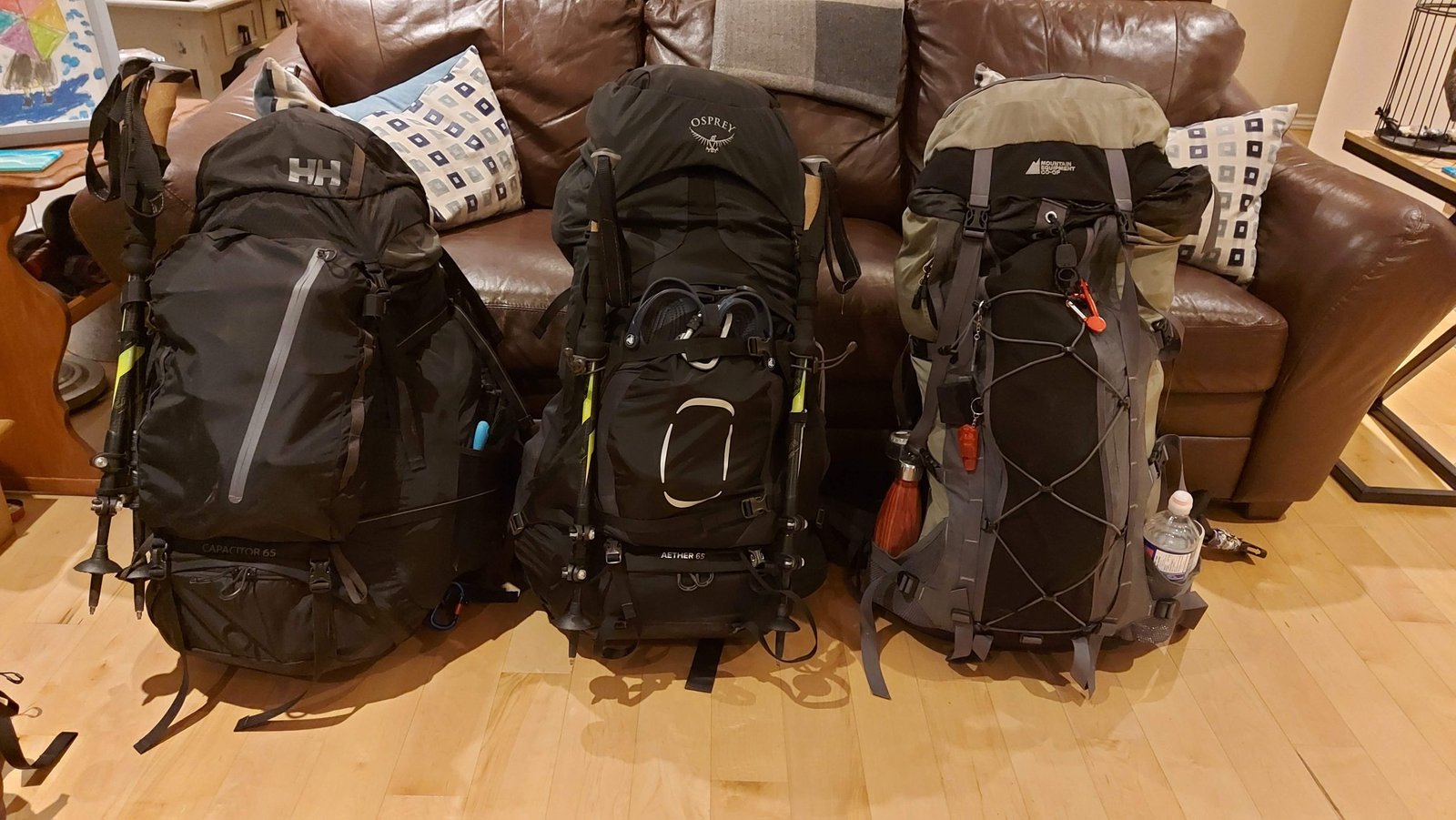
Backpack
- 60–75L with a rain cover
- Pack liner or dry bags to keep contents dry
Tent
- Lightweight, waterproof, and able to withstand high winds
- Groundsheet recommended
- Tarp to cover tent/cooking area
Sleeping System
- 3-season sleeping bag (0°C or lower rating); store in waterproof bag
- Lightweight sleeping pad for insulation
Clothing
- Moisture-wicking base layers (no cotton!)
- Waterproof rain jacket and pants
- Fleece or down mid-layer
- Hiking pants/shorts
- Wool socks (3-4 pairs)
- Warm toque and gloves
- Camp clothes and lightweight shoes/sandals for evenings
- Wide brimmed hat
Footwear
- Waterproof hiking boots (broken-in)
- Gaiters optional but helpful for mud
Cooking
- Lightweight stove and fuel
- Pot, spork, mug
- Food for 6–8 days (high-calorie, lightweight, no glass)
- Bear-proof food storage (canisters or hang system)
- Water filter or tablets; water is available from most rivers and creeks and needs to be boiled or treated
- 2–3L of water carrying capacity
- Fire kit with waterproof matches, lighter, and light weight axe
Navigation & Safety
- West Coast Trail map (available at trailheads or order online)
- Compass
- Headlamp with extra batteries
- First aid kit, including a blister kit and medications
- Whistle, attached to pack
- Knife with safety locking blade
- Satellite communicator or personal locator beacon
- Bear spray is recommended
- Trekking poles (highly recommended)
Other Essentials
- Sunscreen and bug spray
- Biodegradable soap, toothpaste and toiletries
- Camping towel
- Toilet paper and trowel
- Ziplock bags for garbage
- ID, permits, and reservation confirmations (printed or downloaded)


Step 5: Watching the Weather
What to Expect
Even in peak summer, rain is common, and the trail can be muddy or slippery. June can bring heavier rainfall, while July and August tend to be drier (but still variable). September can bring colder nights and fog.
Check the weather forecast for Bamfield, Port Renfrew, or Gordon Bay before your trip. Make sure your gear can handle 4 seasons in one day—because that’s often what the trail delivers.
Tips for a Successful West Coast Trail Adventure
- Start early each day: Tide schedules and trail challenges mean early starts help maximize flexibility.
- Check tide tables: Some beach routes are only passable at low tide. You’ll receive a tide chart at orientation.
- Pace yourself: This isn’t a trail to rush—plan for an average of 10–12 km per day.
- Use designated campsites: There are 13 official sites with bear boxes, outhouses, and beach access.
- Expect wildlife: You may see black bears, cougars, wolves, or whales. Keep a safe distance and store food properly.
Final Thoughts: Is the West Coast Trail Worth It?
Absolutely. The West Coast Trail is a challenging but incredibly rewarding experience. With crashing waves, misty forests, and dramatic headlands, it’s a journey that tests your limits while leaving you in awe of the natural beauty of Canada’s west coast.
By taking the time to plan, train, and pack carefully, you’ll be setting yourself up for success—and an unforgettable adventure. Whether you’re going solo, with friends, or as a family with older teens, the West Coast Trail promises stories you’ll be telling for years.
Have you hiked the West Coast Trail? We’d love to hear your tips and highlights. Share your story with us on Instagram @planitadventures or leave a comment below!
You must be logged in to post a comment.