
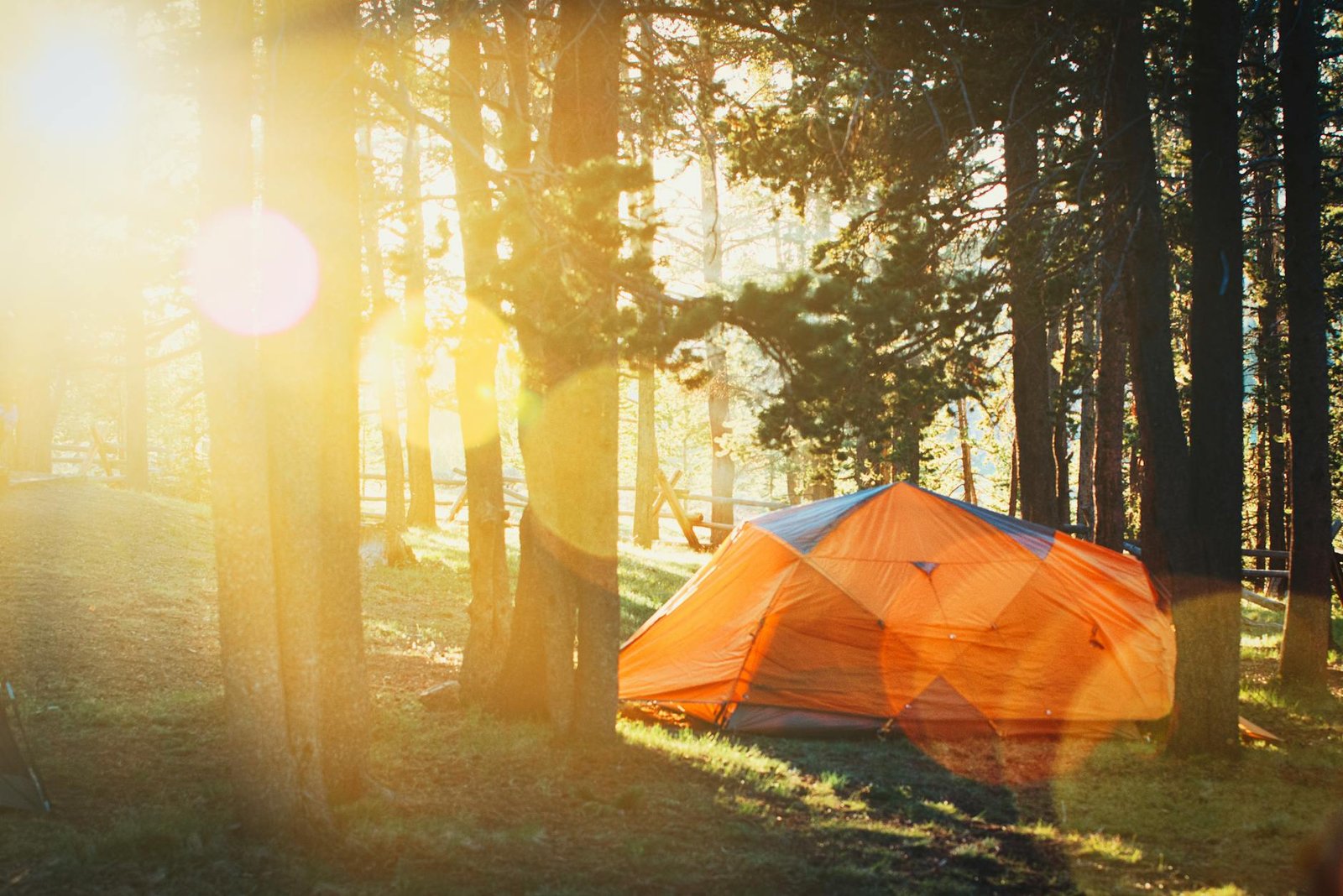

Ultimate Guide to Car Camping with the Family
The sun is out, the weather is warming up so it’s the perfect time to dive into the world of car camping. Car camping is an accessible and enjoyable way to experience the outdoors without sacrificing all the comforts of home. Car camping still leaves a range of options, from glamping to sleeping in your car. For this post, I’m going to talk about something in the middle, driving to a campsite and pitching a tent. For more information on all the different types of camping, check out this post.
I love camping – being outside, exploring a new place, sitting around a campfire eating s’mores, and hiking. I also love running water and a toilet that flushes. For me, car camping is the perfect way to camp. Whether you’re a seasoned camper or trying it out for the first time, our comprehensive guide will help you plan a fantastic car camping trip with your family.

Why Car Camping?
Car camping combines the thrill of camping with the convenience of having your vehicle nearby. This means you can bring along more gear, enjoy a comfy sleeping setup, and have easier access to necessities like food and water. It also means you don’t have to invest in a trailer or RV, just a good tent and mattresses. We love to travel too much to commit to just one way of vacationing, but we are always happy to share in the convenience of an RV when someone brings theirs along (thank you, grandma and grandpa). Car camping is perfect for families because it reduces the stress of packing light and makes it easier to manage everyone’s needs. Like the two guitars we needed on our camping trip last weekend.
Ready, Set, Camp
1. Pick Your Campground
This one might be harder than it seems. Since COVID, when everyone else discovered the great outdoors, getting a camping spot at a provincial or national park became almost as hard as landing Taylor Swift tickets. Okay, not quite but it does feel much harder than it used to, especially if you have specific dates and spots you want to camp. I’ve got a few tips to make this process a little easier:
- Find out when the camping season booking opens for the park you want to camp at and get in right away. Fingers crossed the system doesn’t crash with you and every other person you know all logging in at the same time. If you are booking for the first time, create an account in advance.
- Find somewhere a little different to camp. I recently found out about the site Hipcamp and am searching for our next camping spot as I write this post. It’s like Airbnb for campsites. You can also search for free campsites at FreeCampsites.net
- Private campsites offer more flexibility but still book up quickly. A few summers ago, we decided we wanted to camp at Longbeach. While we love Pacific Rim National Park, we were several months too late to get a spot. Instead, someone told us about Wya Campground in Ucluelet. We booked it and had an amazing trip. It’s now one of our favourites as the beach is only accessible to those staying on the property.
- Be flexible with dates and avoid peak times, like long weekends. We had no trouble getting a spot at a nearby provincial park on a weekend in June. The campground wasn’t as full as it would be during the summer, and we were able to book a couple of weeks in advance.

2. Packing: Gear List Essentials for a Perfect Trip
Let’s start with the gear. Here’s a comprehensive list of items to pack for a comfortable and enjoyable car camping experience:
Shelter and Sleeping
- Tent: A spacious family tent with good ventilation.
- Tarps: For under the tent and as an extra shelter.
- Sleeping Bags: Appropriate for the season and weather.
- Sleeping Pads or Air Mattresses: For added comfort.
- Pillows: Camping pillows or regular ones from home.
- Blankets/Sleeping Bag Liner: Extra warmth for chilly nights.
- Shelter: this one is optional but can be nice to keep the bugs off and keep your picnic table dry.
Cooking and Eating
- Camp Stove: Propane or butane with extra fuel.
- Cookware: Pots, pans, griddle, and a kettle.
- Cooking Utensils: Spatula, tongs, ladle, and knives and cutting board.
- Cutlery and Dinnerware: Plates, bowls, cups, mugs, and eating utensils.
- Cooler: To keep perishables fresh.
- Food Storage: For dry food, we use a Rubbermaid or large reusable bag. Ziplocks are great for leftovers.
- Dishwashing Supplies: Biodegradable soap, sponge, dishcloth, and two small basins.
- Tablecloth: For the picnic table.
- Marshmallow Sticks: For s’mores.
- Clean up: Paper towel, hand sanitizer and wet wipes.
Camp Comfort
- Camp Chairs: Comfortable seating for everyone.
- Hammock: Don’t forget some extra rope to hang them between the trees.
- Propane Fire Bowl: If you can’t have a real fire, due to campfire bans, bring your own along.
- Camping Table: Extra surface for cooking and eating.
- Lanterns, Flashlights or Headlamp: With extra batteries.
- Clothesline: For drying towels and swimsuits.
- Multi-tool or Pocket Knife: Handy for various tasks.
- First Aid Kit: Including bandages, antiseptic, and any necessary medications.
- Bug Spray and Sunscreen: Essential for skin protection.
Personal Items
- Clothing: Layers for varying weather conditions.
- Rain Gear: Jackets and pants.
- Hats and Sunglasses: For sun protection.
- Touques: Maybe this is a West Coast thing, but I always pack a touque for the cool nights.
- Toiletries: Toothbrush, toothpaste, biodegradable soap, a towel and face cloth.
- Entertainment: Books, games, cards, music, drawing supplies.
- Camera: To capture all the memories.
Extras for Families
- Kids’ Camping Gear: Small chairs and favourite toys.
- Baby Essentials: Diapers, wipes, baby food.
- Nature Exploration Kit: Binoculars, a magnifying glass, and a field guide for kids.
- Bikes and Helmets: A great way to get around and give the kids some independence.
- Ninjaline: When our kids were younger, this was the hit of the campground. We packed our slackline from our backyard, hung it between a couple of trees, and watched all the kids in the campground come and play.
- What’s for dinner?

3. Meal Plan: Delicious and Easy Camp Cooking for a Weekend
A great camping trip isn’t complete without delicious meals. Everything tastes better outside and it doesn’t need to be fancy. When we camp, I like to do as much of the prep ahead at home as I can. I grate the cheese, cut and wash the veggies, and pre-measure the dry ingredients. This cuts down on packing all kinds of extras and makes cooking fast and easy. When we camp for a weekend, we usually head out right after school and arrive around dinner time. We either stop for dinner on the way or pack something to picnic on during our drive so we can focus on setting up our camp when we arrive. Here’s a simple meal plan to keep everyone satisfied and happy.
Friday Night: Arrival Dinner
Menu: Car Picnic or Dinner on the Way and S’mores
- Buns and Veggies: I make up buns with everyone’s favourites at home and pack some cut-up carrots, cucumber and hummus. On our last camping trip, we went out for dinner once we arrived at our destination, which was a nice treat. Do this at the beginning of your camping trip while you all still smell good?.
- S’mores: A camp classic with marshmallows, chocolate, and graham crackers. I make it even easier and buy cookies with chocolate already on them.
Saturday: Full Day of Camping
Breakfast: Pancakes and Bacon/Sausage
- Pancakes: Measure all the dry ingredients, add them to a large Ziplock and pack. Pre-measure the wet ingredients in a separate container. When you’re ready for pancakes, add the wet ingredients to the Ziplock, close and mix. Cut a hole in the corner of the bag and pour the batter onto the griddle. Way less mess and dishes. Bring butter, maple syrup, and fresh fruit.
- Bacon/Sausage: Cooked until crispy on the camp stove. Bring something to put leftovers in.
- Beverage: However you start your morning, tea/coffee/hot chocolate/water.
Lunch: Quesadilla and Chips
- Quesadilla: This is an easy-to-make hot lunch. Bring a bag of wraps, your favourite grated cheese, some greens, plain yogurt and a protein. We usually bring shredded chicken leftovers from a rotisserie chicken. This can be frozen ahead or brought fresh. I serve it with avocado and salsa. I make an adapted version of this recipe.
- Chips: Your family’s favourite.
- Fruit and Nuts: Apples, oranges, or grapes and your favourite nuts.
Dinner: Rice and Kabobs
- Rice: You can bring pre-cooked rice and heat it up or make your own batch. Soy sauce or tamari for serving.
- Kabobs: Pre-make or purchase veggie and meat kabobs and cook on a camp BBQ or in a heavy pan over the fire.
Dessert: Campfire Cones
- Campfire Cones: Waffle cones filled with chocolate chips, mini marshmallows, and fruit, wrapped in foil and heated over the campfire.
Sunday: Easy Pack-Up Day
Breakfast: Yogurt and Granola
- Yogurt Cups: Assorted flavors.
- Granola and Fruit: To sprinkle on top.
Another quick option is instant oatmeal, served with the same toppings.


Tips and Tricks for a Smooth Camping Experience
1. Plan Ahead
Check the weather forecast before you pack.
2. Pack Smart
Organize your gear and food in bins for easy access. Label bin so you can quickly find what you need without rummaging through everything. Do as much of the food prep as possible before you leave.
3. Safety First
Teach your kids about campfire safety and wildlife awareness. Keep a first aid kit handy.
4. Embrace Nature
Encourage your kids to explore. Go on a nature walk and check out the wildflowers. Learn about the constellations under the night sky. Many parks have great nature programs for kids.
5. Keep It Fun
Pack games and activities to keep everyone entertained. Combine some of the classic camp games like scavenger hunts with a few family favourites (bocce ball, football, or even bubbles). Make sure to check out the stars as you tell stories around the campfire.
6. Leave No Trace
Teach your family the importance of leaving the campsite as you found it. Pack out all trash, respect wildlife, and follow the campsite’s rules regarding fires.
Conclusion
Car camping is a fantastic way to get outside and enjoy nature. With the right gear, a solid meal plan, and a spirit of adventure, your weekend camping trip will be a resounding success. Remember to stay flexible and have fun, because the best memories are often made when things don’t go exactly as planned. If your camping as part of a bigger road trip, be sure to have a look at this post.
Gather your gear, pack the car, and get ready for a weekend of fun in the great outdoors. Happy camping! Share your camping stories with us and let us know your favourite camping meals in the comments below. Looking to level up your camping, check out this post on backcountry camping with your family.


You must be logged in to post a comment.