

The Essentials: How to Plan the Ultimate Road Trip
If you’re reading this, you’re either itching to hit the open road, wind in your hair, music blaring like just about every road trip movie out there or you are slightly overwhelmed by all the things to figure out, pack, and book before the kids get out for summer holidays. Are there even any campgrounds left? There’s something uniquely thrilling about a road trip. The freedom to explore new places at your own pace, the joy of spontaneous detours, or shortcuts as we like to call them, and the discovery of new places. But, as any seasoned road tripper will tell you, a great adventure requires great planning. Whether you’re a novice traveller or a road warrior, this guide will help you plan the ultimate road trip, ensuring your adventure is smooth, safe, and packed with memorable moments.
Quick note: Some of the links below are affiliates, the thoughts and opinions are all my own. I’m always excited to share my favourite things with you, save you money when I can, and in so doing may collect a small commission at no cost to you. It’s a great way that you can support my blog.

Know Before You Go
1. Choosing Your Destination and Route
Define Your Destination – The first step in planning your road trip is deciding where you want to go. Are you dreaming of a coastal drive along the ocean, exploring national parks, or maybe a cross-country adventure? Your destination will shape the rest of your planning process, so take your time and choose a route that excites you. Here are a few things to consider as you decide where to go:
- How much time do you have? A weekend, a week or all summer long. Don’t underestimate that it will take longer than you think. Just because Google says it takes six hours to get somewhere doesn’t mean you will actually get there in six hours.
- What is your budget for the trip? Road trips can be a much more economical way to travel but they can still be costly when you add up accommodations, gas and food.
- What kind of road trip fits your family? Do you love camping and hiking or big cities and attractions? While it’s about the journey, not just the destination, set your family up for success.
- The time of year also plays a big part in choosing where to go, from the weather to the crowds, it’s something to keep in mind.
Choose the Right Vehicle to Get You There – This might seem obvious as you plan to set off in your vehicle from home but take a minute to decide what would work best for where you are heading. You might also be renting a vehicle if you are combining a road trip with another vacation.
- Does travelling by RV, saving you money on accommodations but spending more on gas, make sense? If so, you can look into renting or borrowing one if you don’t have your own.
- Do you need a bigger more spacious vehicle to pack all your stuff and not feel cramped? If you are camping, consider adding a rooftop carrier to your car to stow your extra gear or pulling a small trailer for the bikes.
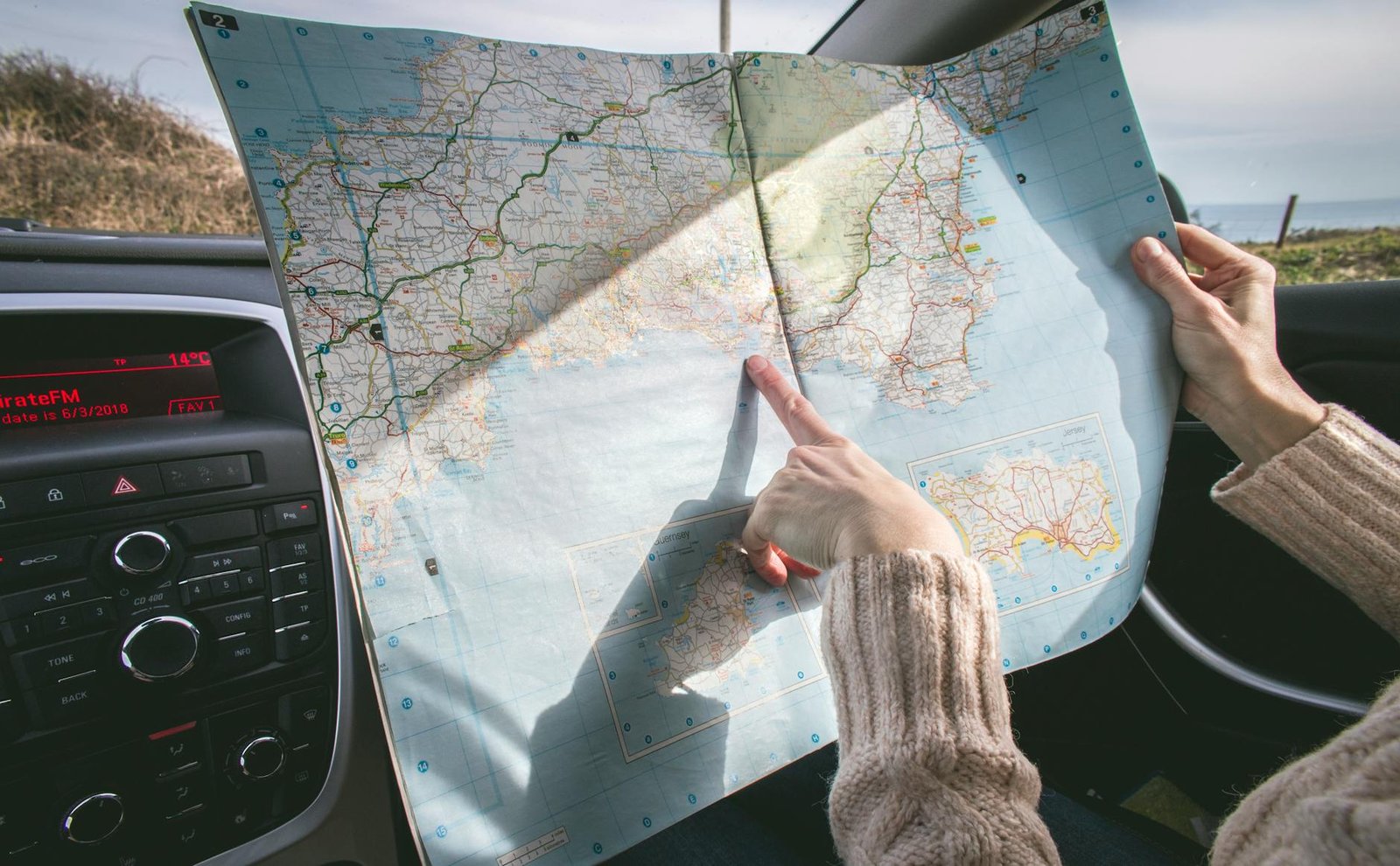
Map Out Your Route – Once you’ve chosen your destination, it’s time to map out your route. You can either start with your destination in mind and work backwards or use tools like Google Maps, Roadtrippers, or other road trip apps to plan your journey. Involve your whole family in the trip planning. Let everyone pick something they want to see or do. Consider the following:
- Scenic Stops: Incorporate scenic spots and less-travelled roads to enhance your experience. These routes often offer beautiful views and unique attractions.
- Major Stops and Detours: Identify key stops along the way. Whether it’s a famous landmark, a quirky roadside attraction, a picturesque small town, or in our case, the best snack spot. Make a list of must-see places.
- Driving Time and Distances: Calculate the driving time between each stop and the total distance of your trip. Be realistic about how far you can comfortably go in a day. Plan for lots of bathroom breaks and incorporate a stretch, walk or run to let the kids burn off some energy.
- Get the Family Excited: If you are headed down Route 66, watch the Cars Movie or read a book on where you are planning to visit.

2. Preparing Your Vehicle
Vehicle Maintenance – Your vehicle is your most important companion on a road trip, so it’s crucial to ensure it’s in top condition. Schedule a maintenance check-up with your mechanic a week or two before departure.
Car Essentials – Pack a roadside emergency kit that includes:
- First Aid Kit: Stocked with bandages, antiseptics, and any necessary medications. See our checklist here.
- Tools: A basic toolkit, jumper cables, a tire pressure gauge, and a jack.
- Emergency Supplies: Flashlights, extra batteries, blankets, non-perishable food, and water.
- Navigation Aids: Maps, a GPS device, and a fully charged phone and charger.
- Car seats: Make sure car seats are properly installed if you are travelling with younger children.

3. Planning Your Accommodations
Camping vs. Lodging – Decide whether you want to camp or stay in hotels, motels, or vacation rentals. Both options have their pros and cons:
- Camping: Offers a more immersive experience with nature and can be more cost-effective but does require a lot more gear if you are short on space. Ensure you have the necessary camping gear and research campgrounds along your route, many national and provincial campgrounds require reservations well in advance. If you are camping consider things like laundry, find a local laundry mat in one of the towns you are spending the day in. Combine your accommodation with your vehicle with a rooftop tent. We met a family visiting from the US on our last camping trip that had rented a truck with a camper and roof top tent for their week long holiday. If your road trip includes camping, check out this guide to car camping post.
- Lodging: Provides comfort and convenience, especially after long days of driving but is more costly. Use booking sites like Booking.com, Airbnb, to find accommodations in your budget.
- A Combination: If you are headed out on a longer trip and are primarily camping, consider the occasional night in a hotel or Airbnb. Make sure to pick a place that has laundry to catch up.
Booking in Advance vs. Spontaneity
- Advance Booking: Guarantees you have a place to stay, especially in popular destinations or peak seasons.
- Spontaneity: Allows for more flexibility and the thrill of discovering new places on the go. Just ensure you have a backup plan in case your preferred option is unavailable.

4. Budgeting Your Trip
Estimating Costs – A well-planned budget ensures you can enjoy your trip without financial stress. Consider the following expenses:
- Fuel: Calculate fuel costs based on your vehicle’s mileage and the total distance of your trip. Apps like GasBuddy can help you find the cheapest gas along the way.
- Accommodation: Factor in the cost of hotels, motels, or campgrounds. Consider a park pass to save money.
- Food: Budget for meals, snacks, and dining out. Bringing a good cooler and grocery shopping can also save money. We love checking out local grocery stores when we travel to see all the different things they have.
- Attractions and Activities: Include entrance fees to parks, museums, and other attractions.
- Miscellaneous: Allow for unexpected expenses like tolls, souvenirs, and emergencies.

5. Ready, Set, Pack
Clothing and Essentials – Pack versatile clothing that can be layered to adapt to varying weather conditions. Consider the following:
- Comfortable Clothing: Opt for breathable, moisture-wicking fabrics, since you won’t have access to laundry as often.
- Weather-Appropriate Gear: Bring a mix of short sleeves, long sleeves, a warm jacket, and rain gear. You likely need fewer clothes than you think.
- Footwear: Comfortable shoes for driving and exploring, plus any specialized footwear for activities like hiking.
- Laundry: Bring your own travel laundry soap and a stuff sack or wet bag to minimize the space for dirty laundry.
- Camping: If you are camping then there is a much larger list of gear you need to consider, including: sleeping (tents, tarps, sleeping pads and bags), cooking (cooler, dishes, cookware, stove, matches, cleaning supplies, water storage), lighting and tools (flashlight, headlamp, lantern, axe). Save space and pack a baby carrier for walks and hikes.
Road Trip Comfort
- Entertainment: Create playlists, download podcasts or audiobooks, and bring games or activities to keep everyone entertained. If you are travelling with younger kids, head to the dollar store before you leave and stock up on colouring books, art supplies, and small games the kids can play while driving. Better yet, wrap them up, and surprise them with something new on each leg of the trip. This works great for long flights as well.
Consider an audio tour guide to keep everyone entertained and learn more about the culture and history of the places you are driving to. Check out our blog post on our favourite audio tours.
- Technology: Chargers, power banks, and a car mount for your phone are key. We also like to pack a little cash in case somewhere we are stopping doesn’t accept credit cards.
- Comfort Items: Pillows, blankets, and something small from home.
- Road Trip Essentials: Create a bag with easy-to-access travel-sized toiletries for freshening up on the go. Make sure to include hand sanitizer, toilet paper, hand wipes, Gravol, sunscreen and bug spray.
- Car Snacks: These can make or break the trip, bring along your household favourites and find a few new things to try to keep the kids guessing. Our go-to snacks are nuts, jerky, crackers, dry cereal, granola bars, muffins, fruit, and homemade protein balls (message me for the recipe). If you are stopping for snacks, make a game out of it. Let the person who can spot the most animals or wins licence plate bingo pick the snack spot or type of snack you stop for (but no gum, trust me on this one). Don’t forget the leak-proof water bottles to keep you hydrated on the go.

6. Make the Most of Your Journey
Embrace Spontaneity -While planning is essential, leaving room for spontaneity can lead to some of the most memorable experiences. Be open to taking detours, exploring new places, getting lost and changing plans as opportunities arise. Remember its not the destination but the journey you will remember.
Document Your Adventure – For more on this check out my blog post on documenting your trips.
- Photography: Capture the moments with your camera or phone. Book a Flytographer to document a special stop on your trip and capture your adventure with some amazing family photos, one of the best souvenirs you will have.
- Journaling: Keep a travel journal to record your thoughts, experiences, and highlights. Track your daily mileage, how many animals you see or a list of your favourites from the day. My favourite free app for documenting our trips is Polarsteps. It tracks everything from the distance to the weather and has a spot to add journal entries and your day’s photos. You can share the link with friends and family back home so they can follow along on your adventures. Best of all it creates a great photo book for you after your trip.

Conclusion
Planning the ultimate road trip requires a mix of preparation, flexibility, and a sense of adventure. By choosing your destination and route carefully, preparing your vehicle, budgeting wisely, and packing thoughtfully, you’ll set your family up for a fantastic journey. So, gear up, hit the road, and create unforgettable memories on your next road trip. Happy travels and please share about your favourite route below.
You must be logged in to post a comment.